Spring 2026: Sundays
Spring 2026: Sundays
Cohort Schedule
Cohort Schedule
Cohort Schedule
Format: Sundays · 5 weeks
Dates: March 8 – April 5, 2026
Time: 6:30–9:30 PM PST (8:00–11:00 AM IST)
Demo Day: April 5, 2026
Format: Sundays · 5 weeks
Dates: March 8 – April 5, 2026
Time: 6:30–9:30 PM PST (8:00–11:00 AM IST)
Demo Day: April 5, 2026
01
Phase 1: Ideate
Week 1
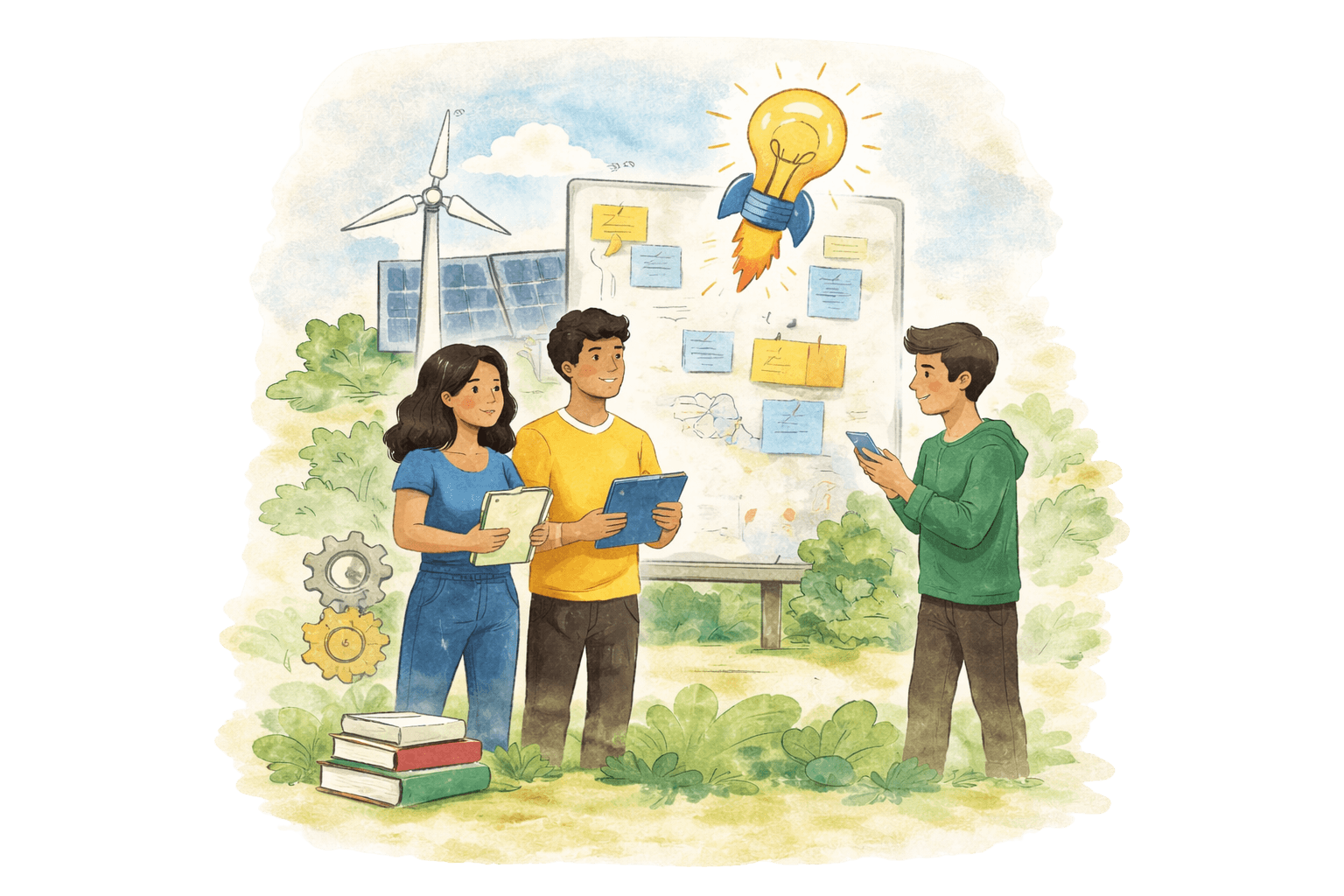
Students conduct structured problem discovery, learning how to identify high-leverage problems, define target users, and validate pain points through research and conversations.
Phase 1: Ideate
Week 1
Students conduct structured problem discovery, learning how to identify high-leverage problems, define target users, and validate pain points through research and conversations.
Phase 1: Ideate
Week 1
Students conduct structured problem discovery, learning how to identify high-leverage problems, define target users, and validate pain points through research and conversations.
Phase 2: Create
Weeks 2-3
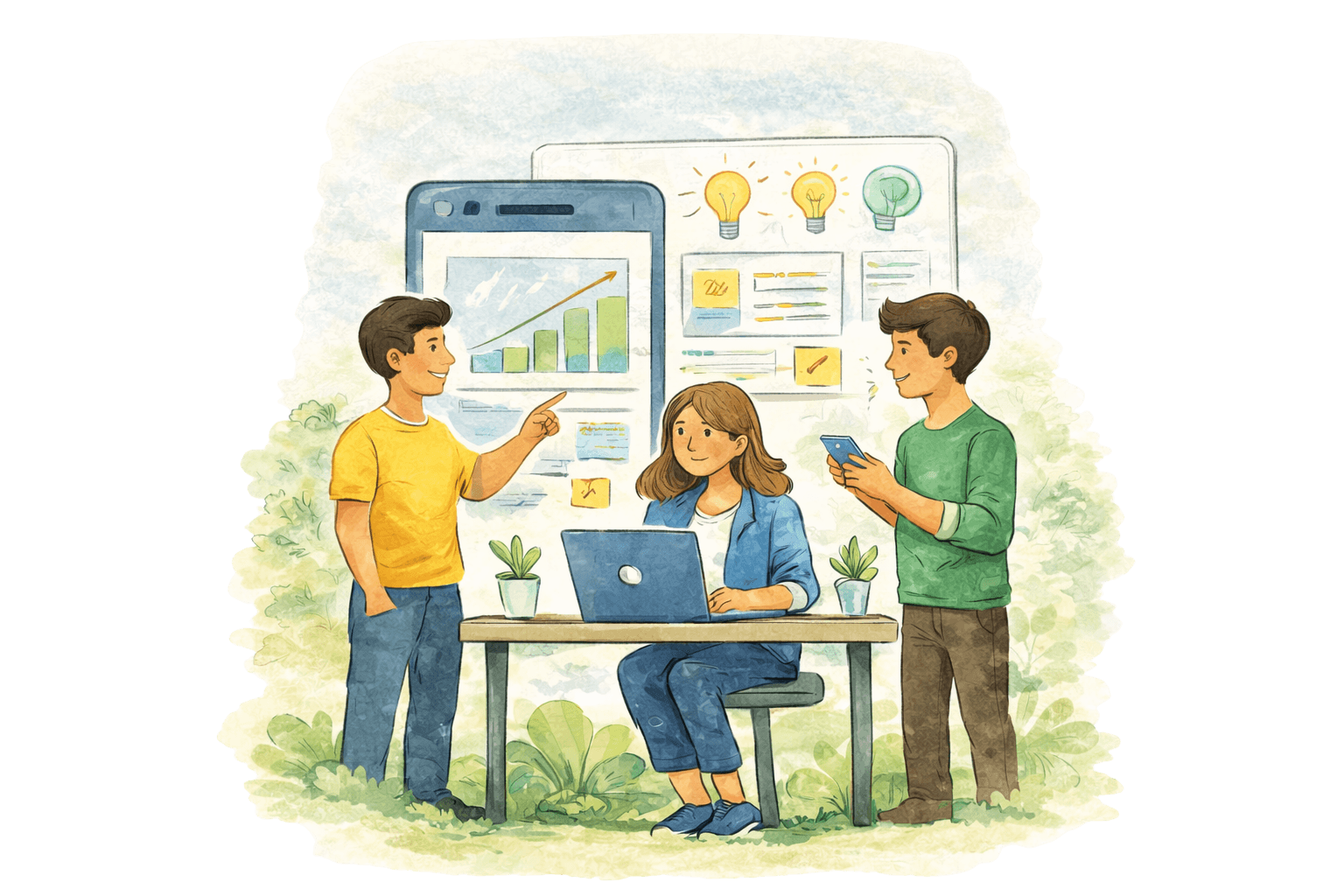
Students design and build a Minimum Viable Product while establishing the core components of a real company. They experiment with different business model formats, and a variety of marketing strategies.
Phase 2: Create
Weeks 2-3
Students design and build a Minimum Viable Product while establishing the core components of a real company. They experiment with different business model formats, and a variety of marketing strategies.
Phase 2: Create
Weeks 2-3
Students design and build a Minimum Viable Product while establishing the core components of a real company. They experiment with different business model formats, and a variety of marketing strategies.
02
03
Phase 3: Iterate
Weeks 4-5
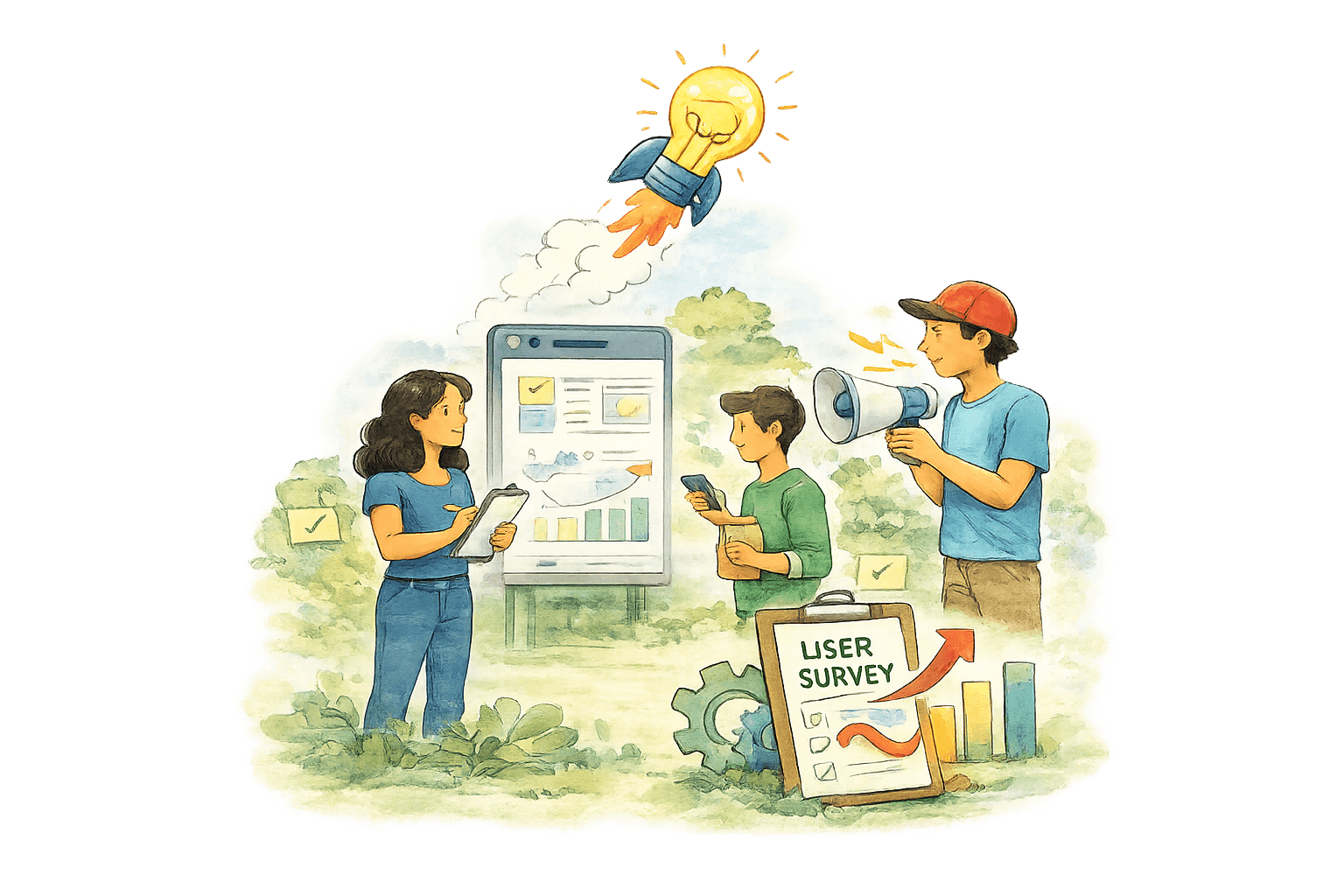
Students test their product in the real world, analyze user feedback, and refine both the product and go-to-market strategy. This phase culminates in Demo Day, where students develop pitching, storytelling, and strategic communication skills while presenting their startup to founders and investors.
Phase 3: Iterate
Weeks 4-5
Students test their product in the real world, analyze user feedback, and refine both the product and go-to-market strategy. This phase culminates in Demo Day, where students develop pitching, storytelling, and strategic communication skills while presenting their startup to founders and investors.
Phase 3: Iterate
Weeks 4-5
Students test their product in the real world, analyze user feedback, and refine both the product and go-to-market strategy. This phase culminates in Demo Day, where students develop pitching, storytelling, and strategic communication skills while presenting their startup to founders and investors.
Colleges look for students that lead by example.
Admission teams look for students who don’t just excel academically. Standing out in today's competitive environment means stepping outside the classroom to create real change, showcasing leadership, curiosity, and the perseverance to turn ideas into action.


Moving through each stage of building a fully functioning company helps students develop foundational skills that serve them well far beyond the program.
Moving through each stage of building a fully functioning company helps students develop foundational skills that serve them well far beyond the program.
Improve Critical Thinking
Students learn to ask better questions and examine problems from multiple angles. Instead of looking for the “right answer,” they learn to think in first principles - understanding their audience, and identifying core assumptions. This helps them approach challenges thoughtfully rather than reactively.
Improve Critical Thinking
Students learn to ask better questions and examine problems from multiple angles. Instead of looking for the “right answer,” they learn to think in first principles - understanding their audience, and identifying core assumptions. This helps them approach challenges thoughtfully rather than reactively.
Improve Critical Thinking
Students learn to ask better questions and examine problems from multiple angles. Instead of looking for the “right answer,” they learn to think in first principles - understanding their audience, and identifying core assumptions. This helps them approach challenges thoughtfully rather than reactively.
Build Confidence
Students see firsthand their ability to change the world around them in tangible ways. By learning through action — trying, adjusting, and improving — they begin to trust their own judgment. This builds a personal empowerment that extends beyond any single project.
Build Confidence
Students see firsthand their ability to change the world around them in tangible ways. By learning through action — trying, adjusting, and improving — they begin to trust their own judgment. This builds a personal empowerment that extends beyond any single project.
Build Confidence
Students see firsthand their ability to change the world around them in tangible ways. By learning through action — trying, adjusting, and improving — they begin to trust their own judgment. This builds a personal empowerment that extends beyond any single project.
Develop Grit
Grit is built through persistence, especially when things don’t work the first time. Students learn to handle setbacks, reflect on what went wrong, and keep moving forward. Over time, this strengthens resilience and the ability to stay engaged through uncertainty and difficulty.
Develop Grit
Grit is built through persistence, especially when things don’t work the first time. Students learn to handle setbacks, reflect on what went wrong, and keep moving forward. Over time, this strengthens resilience and the ability to stay engaged through uncertainty and difficulty.
Develop Grit
Grit is built through persistence, especially when things don’t work the first time. Students learn to handle setbacks, reflect on what went wrong, and keep moving forward. Over time, this strengthens resilience and the ability to stay engaged through uncertainty and difficulty.

Are you ready to build your first startup?
Are you ready to build your first startup?