
Entrepreneurship is a life skill.
As AI reshapes how work gets done, the ability to bring ideas to life will set our children apart. We help students thrive in an unpredictable future.
Entrepreneurship is a life skill.
As AI reshapes how work gets done, the ability to bring ideas to life will set our children apart. We help students thrive in an unpredictable future.
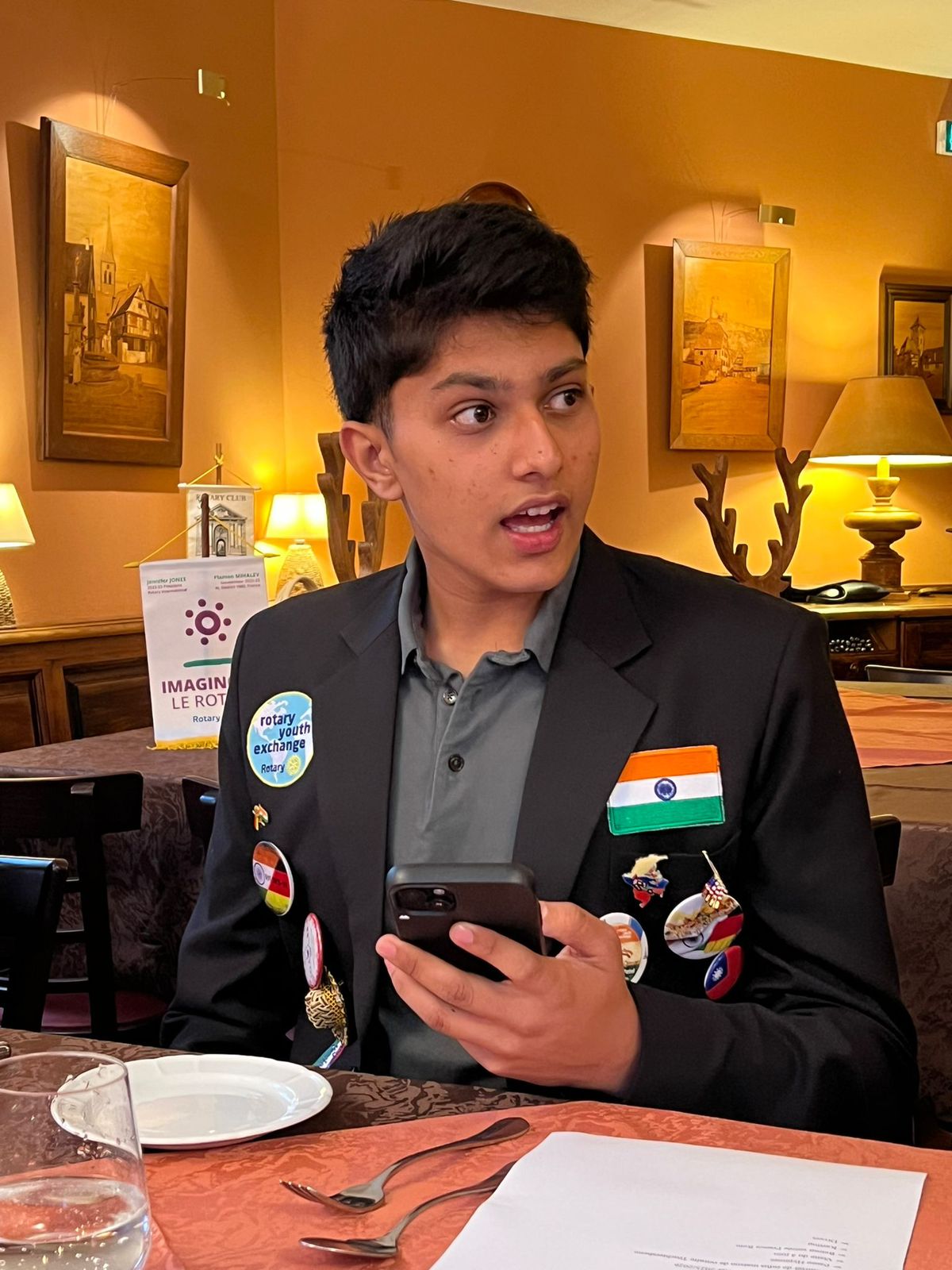
"I learnt that I can start trusting myself."
I've procrastinated through everything in my life - if I have something due at 11.59 pm, it is getting done at 11.59 pm, not a minute before that. But going through The Tomorrow School, I've started trusting myself, started trusting that if I take an interest in something, I am actually able to find the motivation to work hard and see it through.
Aarush Patel, Grade 11
Cygnus World School, Gujarat, India
"I learnt that I can start trusting myself."
I've procrastinated through everything in my life - if I have something due at 11.59 pm, it is getting done at 11.59 pm, not a minute before that. But going through The Tomorrow School, I've started trusting myself, started trusting that if I take an interest in something, I am actually able to find the motivation to work hard and see it through.
Aarush Patel, Grade 11
Cygnus World School, Gujarat, India
"I learnt that I can start trusting myself."
I've procrastinated through everything in my life - if I have something due at 11.59 pm, it is getting done at 11.59 pm, not a minute before that. But going through The Tomorrow School, I've started trusting myself, started trusting that if I take an interest in something, I am actually able to find the motivation to work hard and see it through.
Aarush Patel, Grade 11
Cygnus World School, Gujarat, India

The Zero to One Journey
Every cohort is built around three core phases which together take students from problem discovery to building and refining a fully functioning company.
Ideate
Phase One
Students identify a real-world problem they care about and deeply understand the people affected, narrowing their focus to where they can create meaningful impact.
Ideate
Phase One
Students identify a real-world problem they care about and deeply understand the people affected, narrowing their focus to where they can create meaningful impact.
Create
Phase Two
Students turn their ideas into a Minimum Viable Product, setting up a real company and designing the business model, product, and early go-to-market strategy.
Create
Phase Two
Students turn their ideas into a Minimum Viable Product, setting up a real company and designing the business model, product, and early go-to-market strategy.
Iterate
Phase 3
Students take their product into the real world, learn from real users and paying customers, and refine their solution and strategy with ambition.
Iterate
Phase 3
Students take their product into the real world, learn from real users and paying customers, and refine their solution and strategy with ambition.
The Zero to One Journey
Every cohort is built around three core phases which together take students from problem discovery to building and refining a fully functioning company.
Ideate
Phase One
Students identify a real-world problem they care about and deeply understand the people affected, narrowing their focus to where they can create meaningful impact.
Create
Phase Two
Students turn their ideas into a Minimum Viable Product, setting up a real company and designing the business model, product, and early go-to-market strategy.
Iterate
Phase 3
Students take their product into the real world, learn from real users and paying customers, and refine their solution and strategy with ambition.


Building a new venture from the ground-up helps students develop foundational skills that serve them well far beyond the program.
Business Fundamentals
Understand Financial Models
Students learn how businesses actually work—how revenue, costs, and profit fit together, how money is made and lost, and what it takes for an idea to scale sustainably over time.
Build And Test MVPs
Students learn how to move from problem to solution by analyzing competitors, defining value propositions, and testing simple MVPs resourcefully.
Sell Ideas Effectively
Students learn how to communicate their ideas clearly and confidently; whether pitching a concept, marketing a solution, or speaking to users.
Life Skills
Raise Their Ambitions
Students are empowered to aim higher and build the confidence that they can truly change the world .
Practice Grit
Learning through failure is a core founder trait. Students learn to handle setbacks, reflect on what went wrong, and keep moving forward. Over time, this strengthens resilience and the ability to stay engaged through uncertainty and difficulty.
Strengthen Critical Thinking
Students develop the ability to think on their feet - assessing situations clearly, responding thoughtfully, and making sound decisions under uncertainty.
Building a new venture from the ground-up helps students develop foundational skills that serve them well far beyond the program.
Business Fundamentals
Understand Financial Models
Students learn how businesses actually work—how revenue, costs, and profit fit together, how money is made and lost, and what it takes for an idea to scale sustainably over time.
Build And Test MVPs
Students learn how to move from problem to solution by analyzing competitors, defining value propositions, and testing simple MVPs resourcefully.
Sell Ideas Effectively
Students learn how to communicate their ideas clearly and confidently; whether pitching a concept, marketing a solution, or speaking to users.
Life Skills
Raise Their Ambitions
Students are empowered to aim higher and build the confidence that they can truly change the world .
Practice Grit
Learning through failure is a core founder trait. Students learn to handle setbacks, reflect on what went wrong, and keep moving forward. Over time, this strengthens resilience and the ability to stay engaged through uncertainty and difficulty.
Strengthen Critical Thinking
Students develop the ability to think on their feet - assessing situations clearly, responding thoughtfully, and making sound decisions under uncertainty.

Svanika Balasubramanian
Founder
We designed The Tomorrow School around the belief that real confidence comes from doing hard things in the real world. By building a company from start to finish, students don’t just learn skills — they discover what they’re capable of, and that sense of agency is what sets them up for long-term success.
"
Svanika Balasubramanian
Founder
We designed The Tomorrow School around the belief that real confidence comes from doing hard things in the real world. By building a company from start to finish, students don’t just learn skills — they discover what they’re capable of, and that sense of agency is what sets them up for long-term success.
"
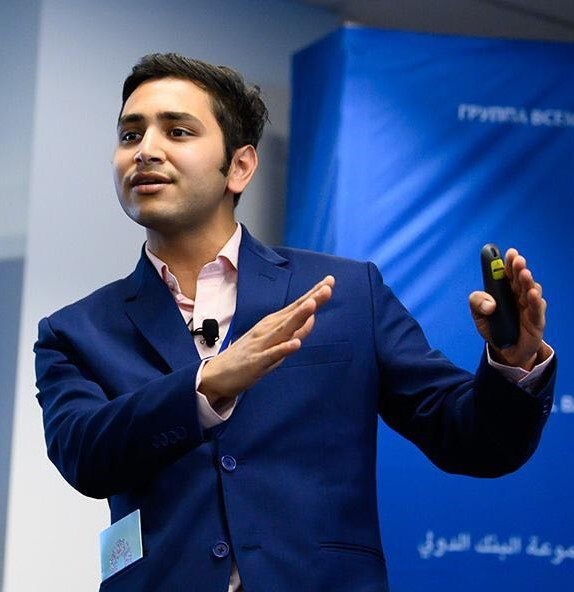
Aditya Siroya
Founder
This program was designed with clear execution checkpoints at every stage — from problem validation to MVP build to early traction. By structuring the cohort around real deadlines, real constraints, and real feedback, students learn how to move ideas forward systematically and end the program with a high functioning company.
"
Aditya Siroya
Founder
This program was designed with clear execution checkpoints at every stage — from problem validation to MVP build to early traction. By structuring the cohort around real deadlines, real constraints, and real feedback, students learn how to move ideas forward systematically and end the program with a high functioning company.
"
Svanika Balasubramanian
Founder
We designed The Tomorrow School around the belief that real confidence comes from doing hard things in the real world. By building a company from start to finish, students don’t just learn skills — they discover what they’re capable of, and that sense of agency is what sets them up for long-term success.
"
Aditya Siroya
Founder
This program was designed with clear execution checkpoints at every stage — from problem validation to MVP build to early traction. By structuring the cohort around real deadlines, real constraints, and real feedback, students learn how to move ideas forward systematically and end the program with a high functioning company.
"
Created By Serial Entrepreneurs
Svanika Balasubramanian and Aditya Siroya are Forbes 30 Under 30 entrepreneurs who have built and scaled venture-backed companies. Educated at The Wharton School, their work has been recognized by the United Nations, World Economic Forum, and Nobel Prize Summit, spanning business, innovation, and global impact.
Svanika and Aditya are deeply committed to advancing a new model of capitalism — one that integrates profit with purpose. As pioneers in social entrepreneurship, they have helped build companies valued at over $100M, creating meaningful, measurable impact across industries and communities worldwide.
"The world’s biggest challenges will be solved by young people who innovate at scale."
We started The Tomorrow School because we believe progress comes from people who are willing to build, test, and learn in the real world.
Entrepreneurship is one of the best methods we’ve seen to develop iterative thinking, emotional resilience, and courage to change the status quo. You have to get in the ring. You have to learn by doing.
Created By Serial Entrepreneurs
Svanika Balasubramanian and Aditya Siroya are Forbes 30 Under 30 entrepreneurs who have built and scaled venture-backed companies. Educated at The Wharton School, their work has been recognized by the United Nations, World Economic Forum, and Nobel Prize Summit, spanning business, innovation, and global impact.
Svanika and Aditya are deeply committed to advancing a new model of capitalism — one that integrates profit with purpose. As pioneers in social entrepreneurship, they have helped build companies valued at over $100M, creating meaningful, measurable impact across industries and communities worldwide.
"The world’s biggest challenges will be solved by young people who innovate at scale."
We started The Tomorrow School because we believe progress comes from people who are willing to build, test, and learn in the real world.
Entrepreneurship is one of the best methods we’ve seen to develop iterative thinking, emotional resilience, and courage to change the status quo. You have to get in the ring. You have to learn by doing.
Created By Serial Entrepreneurs
Svanika Balasubramanian and Aditya Siroya are Forbes 30 Under 30 entrepreneurs who have built and scaled venture-backed companies. Educated at The Wharton School, their work has been recognized by the United Nations, World Economic Forum, and Nobel Prize Summit, spanning business, innovation, and global impact.
Svanika and Aditya are deeply committed to advancing a new model of capitalism — one that integrates profit with purpose. As pioneers in social entrepreneurship, they have helped build companies valued at over $100M, creating meaningful, measurable impact across industries and communities worldwide.
"The world’s biggest challenges will be solved by young people who innovate at scale."
We started The Tomorrow School because we believe progress comes from people who are willing to build, test, and learn in the real world.
Entrepreneurship is one of the best methods we’ve seen to develop iterative thinking, emotional resilience, and courage to change the status quo. You have to get in the ring. You have to learn by doing.
Leveraging Business For Good
Social Entrepreneurship Theory
Leveraging Business For Good
Social Entrepreneurship Theory
At The Tomorrow School, students learn to build profitable businesses that scale responsibly while also creating lasting community impact. Charity alone cannot solve the world’s most complex problems. Lasting change requires viable business models whose incentives align with social and environmental impact. We teach students to build startups where impact is part of the solution, not an afterthought.
At The Tomorrow School, students learn to build profitable businesses that scale responsibly while also creating lasting community impact. Charity alone cannot solve the world’s most complex problems. Lasting change requires viable business models whose incentives align with social and environmental impact. We teach students to build startups where impact is part of the solution, not an afterthought.

Wharton Global Youth Program Interview
Hear about Svanika's Entrepreneurial Journey & Theory of Change

Wharton Global Youth Program Interview
Hear about Svanika's Entrepreneurial Journey & Theory of Change

TEDx: The Power of Imperfect Progress
Thoughts on The Future of Innovation
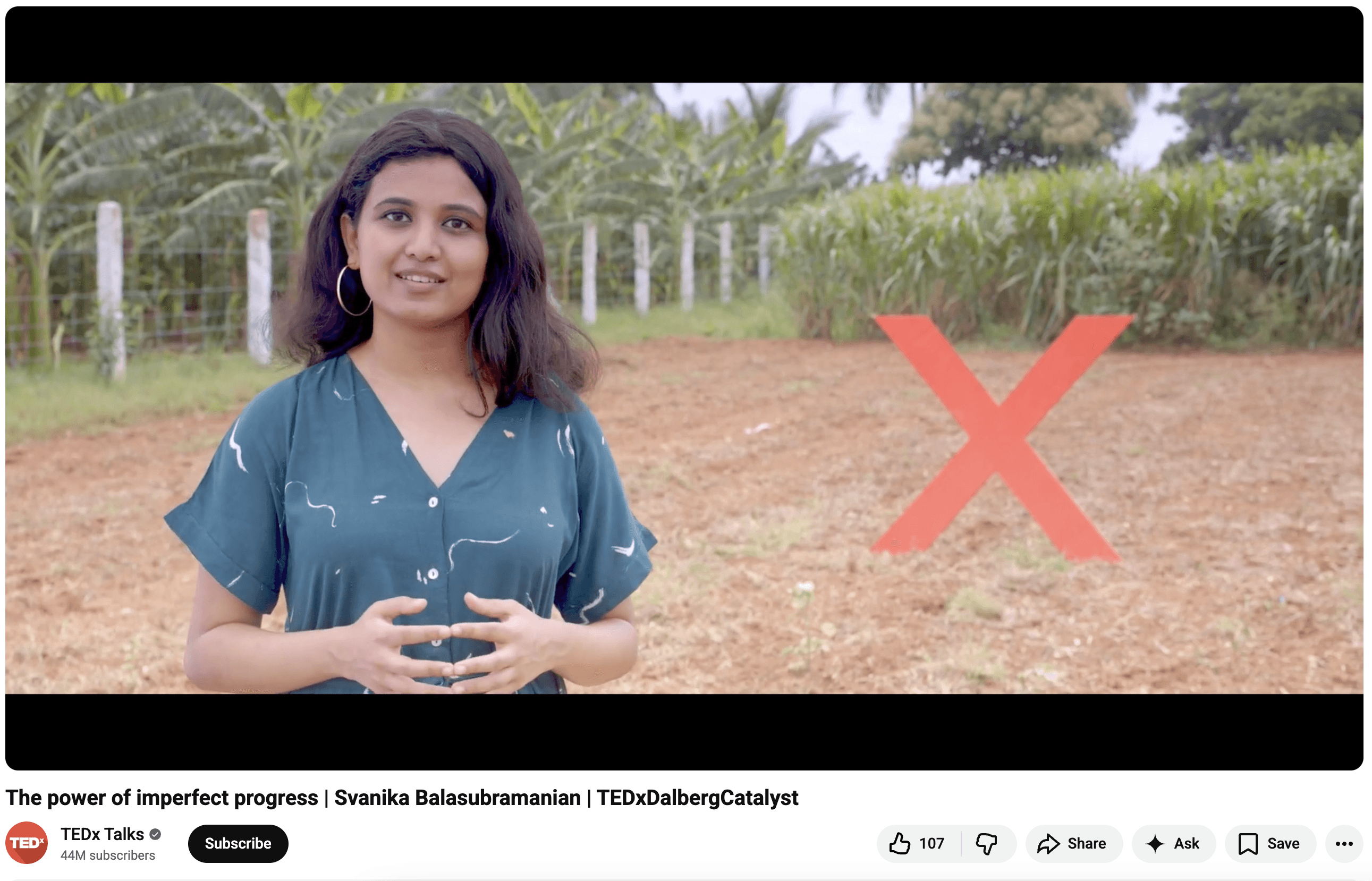
TEDx: The Power of Imperfect Progress
Thoughts on The Future of Innovation
Are you ready to build your first startup?
Are you ready to build your first startup?